Serenity Prime Official Website › Blog › Serenity prime chamomile
Serenity Prime chamomile: what does the research say, and what is not published?
Chamomile is the most familiar name on the list, so serenity prime chamomile is an easy search to understand. It is also an ingredient with a mixed record. This article sets out the trials, the allergy note and the amount the bottle leaves out.
Serenity Prime chamomile is named with no amount, no extract strength and no marker such as apigenin. Two sleep trials disagree: 270 mg twice daily for 28 days did not beat placebo on sleep-diary scores, while 200 mg twice daily in nursing-home residents improved sleep-quality scores. Ragweed allergy is the main caution.

Key facts
- The plant is Matricaria chamomilla, flower. The seller lists it only as Chamomile.
- No amount is published. The site ranks the research on chamomile as Moderate.
- One trial gave 270 mg twice daily for 28 days and did not beat placebo on sleep-diary outcomes.
- Another gave 200 mg twice daily to nursing-home residents and improved sleep-quality scores.
- A 2024 meta-analysis of twelve trials reads the picture as a small favourable effect on sleep quality.
- Chamomile is in the daisy family. People allergic to ragweed can react to it.
Where does chamomile sit in serenity prime chamomile?
Chamomile is one of the five calming plants in the formula, alongside lemon balm, passiflora, skullcap and ashwagandha. It is also one of the few names that appears in all three of the seller's ingredient graphics: the inside graphic, the how-it-works graphic and the line-up strip. A browsing buyer sees it more than almost any other name.
That visibility says something about marketing and nothing about dose. The graphics print no amounts. For the full list, see our article on what is in Serenity Prime.
What do the serenity prime chamomile trials show?
The research on chamomile and sleep is small, and the two main sleep trials point in different directions. That is common for plant extracts.
| Trial | Dose and length | Result |
|---|---|---|
| Primary insomnia pilot | 270 mg of a standardised extract twice daily, 28 days | Did not beat placebo on sleep-diary outcomes |
| Nursing-home residents | 200 mg twice daily | Improved sleep-quality scores |
| Generalised anxiety | 1,500 mg a day | The dose people have in mind when they say chamomile calms anxiety |
Source: the home page and ingredients page dose sections.
A 2024 meta-analysis of twelve trials takes the wider view and reads a small favourable effect on sleep quality. A small effect, from short and modest trials, is the honest summary. It is not a strong result and not a null one.
Is the trial dose the amount in serenity prime chamomile?
Unknown. The supplement facts page lists the research doses beside each name, including 540 mg of chamomile a day, which is the 270 mg twice daily figure added up. That is a trial figure. The bottle publishes no panel, so there is no label figure to set it beside.
Two more details are also missing. The research used flower head extracts standardised to apigenin, and the bottle gives no apigenin figure. And the 1,500 mg anxiety dose is nearly three times the sleep trial dose, which shows how much the amount changes the story. When you have the bottle, check the back label for any chamomile figure.
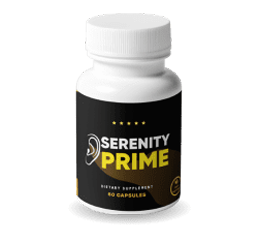
Want the current price before you decide?
The checkout shows today's price, and the 60-day guarantee covers opened bottles if the capsule is not for you.
See today's price and guaranteeDisclosure: Serenityprimes earns a commission when you order through this button.
Who should be careful with serenity prime chamomile?
Chamomile is in the daisy family. The National Center for Complementary and Integrative Health notes that people allergic to ragweed can react to it. The site's side effects page adds chrysanthemums and marigolds to that list and calls this the one allergy worth flagging on the ingredient list.
- If you react to ragweed, chrysanthemums or marigolds, ask a doctor or pharmacist before trying the capsule.
- Nothing on the list of 13 is a top-eight allergen, but the capsule shell and other ingredients sit on the back label. Read it on arrival.
- The formula is for adults aged 18 and over, and not for anyone pregnant or nursing.
Our guide to safety and interactions covers the other flagged ingredients.
How long should you give serenity prime chamomile?
The insomnia pilot ran for 28 days, which fits inside the 60-day guarantee. That is a point in the formula's favour: the chamomile question can be tested by one person well before the window closes.
The site suggests writing three numbers each morning. These are roughly how long it took to fall asleep, how many times you woke and how the day felt out of ten. After four weeks you will have your own evidence, which is worth more than any trial for deciding whether to reorder. The results timeline sets the weeks out in order.
Does chamomile work differently inside a blend?
Nobody knows. The site cites no trial of chamomile with the other 12 ingredients, and no formula of this size has been tested as a whole. The only pair in this bottle that has been given together in a trial is magnesium and vitamin B6, and that trial was in restless legs, not sleep.
So chamomile's part in the blend is a formulation choice. A formulator can defend it, and the plant is a gentle one for most adults. But the capsule is not proven by the chamomile research, and the site says so plainly on every ingredient page.
Where do these facts come from?
Company facts come from the seller's published pages and the bottle artwork, read on 19 September 2026. The pages below hold the detail.
Frequently asked questions
Does Serenity Prime contain chamomile?
Yes. Chamomile is one of the 13 named ingredients. The amount is not published.
How much chamomile is in the capsule?
Not published. The trials used 270 mg twice daily and 200 mg twice daily, but those are trial figures and not label figures.
Does chamomile help sleep?
The record is mixed. One trial did not beat placebo on sleep diaries, another improved sleep-quality scores, and a 2024 meta-analysis reads a small favourable effect.
Who should avoid it?
People allergic to ragweed, chrysanthemums or marigolds should ask a doctor first, as chamomile is in the same plant family.
Is there an apigenin figure?
No. The research used extracts standardised to apigenin, and the bottle gives no standardisation figure for any botanical.
How long should I try it?
The insomnia pilot ran 28 days and the guarantee runs 60 days, so one bottle is enough time to form a view.
Serenity Prime is a dietary supplement, not a drug. It is not FDA approved, and no dietary supplement is. These statements have not been evaluated by the Food and Drug Administration. This product is not intended to diagnose, treat, cure or prevent any disease. Take medical questions to your doctor or pharmacist.
Our view
Our view is that serenity prime chamomile is a gentle, familiar plant with an honest but modest record. Two sleep trials disagree, a pooled analysis finds a small benefit and the dose people imagine is larger than the dose that was tested for sleep.
It is not a reason to buy on its own, and it is not a reason to avoid the capsule. Check the back label for any amount, watch for ragweed-type allergy, and let your own sleep log decide inside the 60 days.
Ready to check it for yourself?
If the open questions above are acceptable to you, the official checkout is the route that carries the 60-day guarantee.
See today's price and guaranteeDisclosure: Serenityprimes earns a commission when you order through this button.